
THE LYMPHATIC SYSTEM
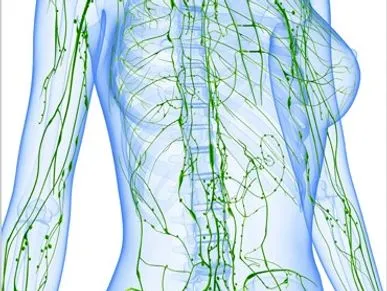
The lymphatic system is comprised of lymph nodes, lymph vessels and lymph fluid. Being part of the immune and circulatory systems, it aids the body in fighting infections and works to assure optimal health.
TWO TYPES OF LYMPHEDEMA
Primary lymphedema – described as congenital dysfunction of the lymphatic system.
Secondary lymphedema – can be a side effect of cancer treatment, including lymph node dissection and radiation therapy, in addition to many other non-cancer related causes.
LYMPHEDEMA
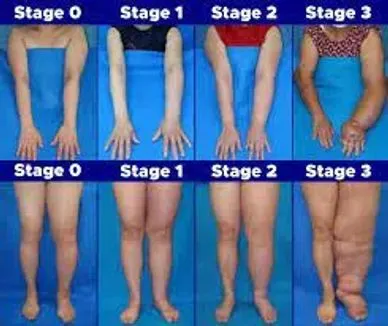
When the lymphatic system is damaged, a build-up of lymph fluid remains in the tissues of an affected limb or body part, giving rise to a condition called Lymphedema, which is a chronic and progressive swelling. Lymphedema can occur in any part of the body, and while primarily occurring in the limbs, it can also occur in the breast, genitals, as well as the head, face, and neck.
Lymphedema can be a side effect of cancer treatment in which lymphatic structures are either removed or altered. Trauma, congenital malformations, infection, obesity are other causes. Once acquired, Lymphedema is a life-long condition, which requires focused therapeutic intervention and diligent self-care management.
SIGNS OF LYMPHEDEMA
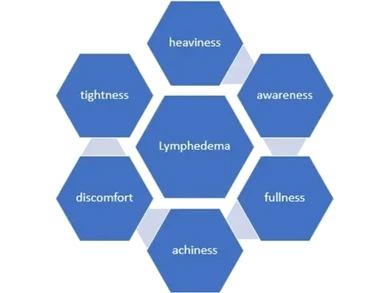
-Visible intermittent or chronic swelling in a limb or body part
-Heaviness, tightness, or a feeling of fullness in an affected limb or body part
-Unusual, rapid, or progressive swelling
-Tight-fit feeling of clothing or jewelry
LYMPHEDEMA TREATMENT
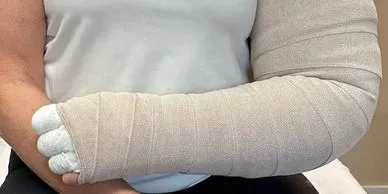
Complete Decongestive Therapy (CDT) is the Gold Standard of Care in treating Lymphedema. CDT is a 4-part intensive therapy protocol, consisting of:
- Manual Lymphatic Drainage (MLD)
- Gradient Compression Bandaging (GCB)
- Skin Care
- Therapeutic Exercises
LYMPHEDEMA MAINTENANCE
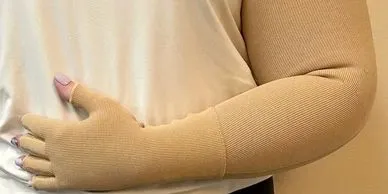
Once discharged from intensive CDT, patients are educated in self-care maintenance, which primarily involves caring for their Lymphedema with specialized compression therapy garments. They are also taught self-MLD and self-gradient compression bandaging, if needed, as well as proper skin care and home-based therapeutic exercises. Patients are also encouraged to be periodically reevaluated by their therapists or therapy centers, as well as by their physician(s).
LYMPHEDEMA PREVENTION
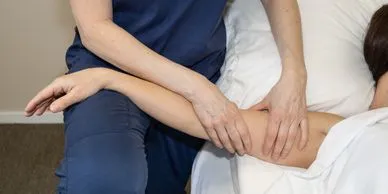
Patient education regarding the risk for Lymphedema, including identifying signs and symptoms is perhaps the most crucial risk reduction steps to avoiding Lymphedema and as such, we comprehensively consult with our patients about this. We additionally provide preemptive physical evaluation, leading to individual care plans, focused on either surveillance or therapeutic intervention, as needed.
If Lymphedema has already been acquired and is still in an early stage, then initial therapeutic intervention and use of compression therapy garments has been shown to reduce the progression of symptoms.